Effective kanji learning
Learn kanji through words and context.
Take small daily steps that compound.
Take small daily steps that compound.



Small steps lead to large accomplishments
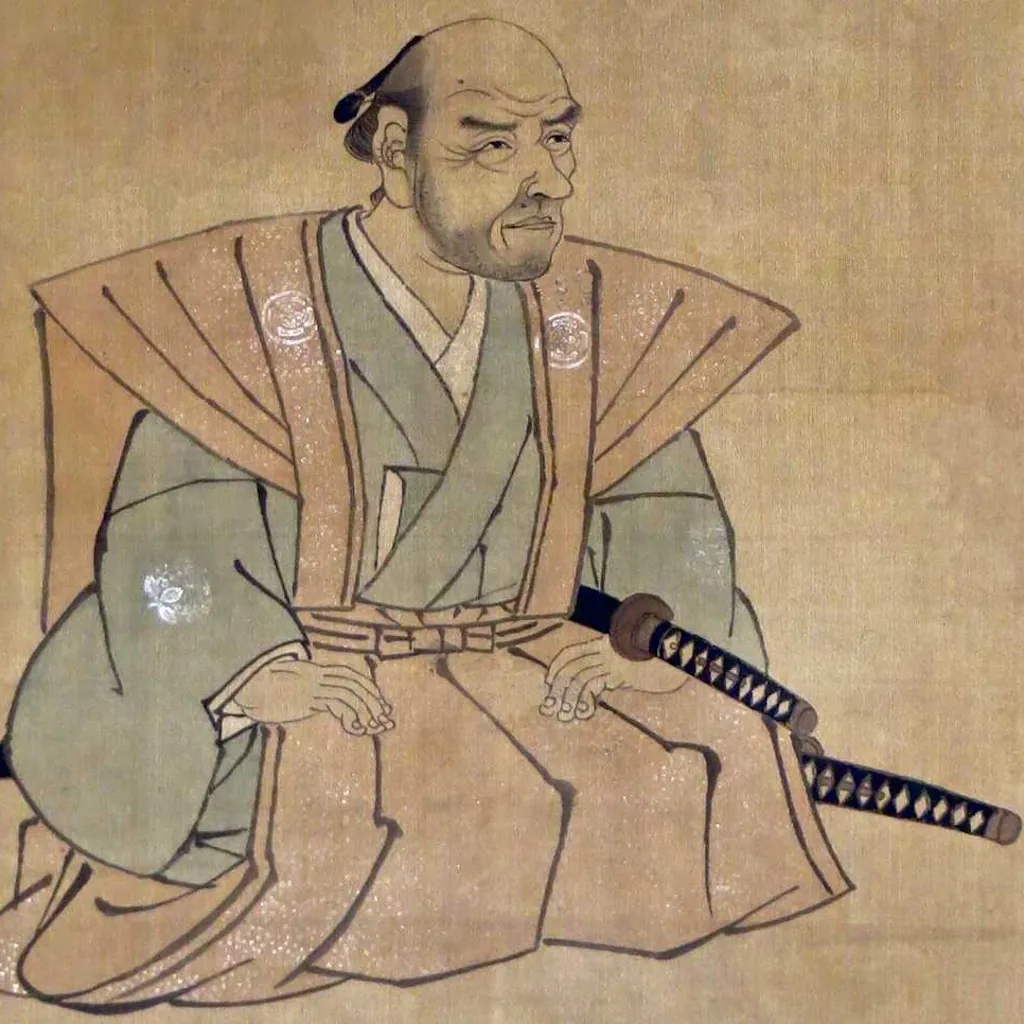
The phrase 積小為大 (seki-shō-i-dai, "small efforts become great
achievements") comes from Sontoku Ninomiya (二宮尊徳), a Japanese
agriculturalist and philosopher who helped rebuild more than 600
villages. He taught the value of steady daily effort — that
even small, consistent actions can lead to great results.
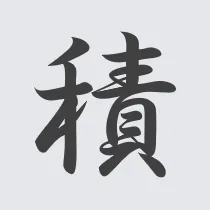
積
accumulate, stack, pile up
小
small, little
為
become, make, achivement
大
large, big

Vocabulary for kanji learning
Memorizing kanji in isolation — their on-yomi, kun-yomi,
radicals, or meanings — is difficult and rarely effective.
A better approach is to learn kanji through words. This way, we
can see when each reading is applied and how characters combine
to form actual vocabulary.

Contexts for deeper understanding
Repetition with flashcards — cycling through the same
characters or words — is a familiar study method, but
not the most effective one. When we see those same characters
and words used in short, meaningful phrases, we begin to
grasp how they actually work together. This deeper exposure
makes them easier to understand and remember.